

Section I
Liability — who the statute names
Every tax in the Internal Revenue Code identifies the person made liable for it. The question is whether the income tax names you.
The Code is not shy about liability. For alcohol, tobacco, and firearms, the statute states plainly who shall be liable for the tax. Subtitle A is written differently — it imposes a tax on taxable income and then relies on a chain of definitions to reach the person. Reading that chain honestly, all the way to its end, is the whole exercise of the first section of this paper.
We reproduce the definitional chain in full: the imposition, the definitions of person, employee, and trade or business, and the withholding provisions that connect them. Nothing is paraphrased. Where a term is defined in more than one place, both definitions appear side by side so you can see which one governs.
Congress knew how to write "shall be liable." Where that language appears, and where it does not, is the entire question.
Section II
The Election — how it is made
Most Americans enter the system on their first day of employment, at sixteen, with a form nobody explained.

A W-4 is not merely a withholding instruction. Signed under penalty of perjury, it is a declaration of status, and payroll acts on that declaration for the rest of your working life. The election it makes is real, it is voluntary in the technical sense the Code uses, and it is almost never made knowingly.
This section walks the sequence: the form, the information return it generates, the presumption the return creates, and how that presumption hardens into a liability the filer never separately agreed to. It also addresses the common objection that an election which was never explained cannot be undone — with the regulatory authority that says otherwise.
Section III
Revocation — the lawful withdrawal
An election that was made can be withdrawn. The question is procedure, not permission.
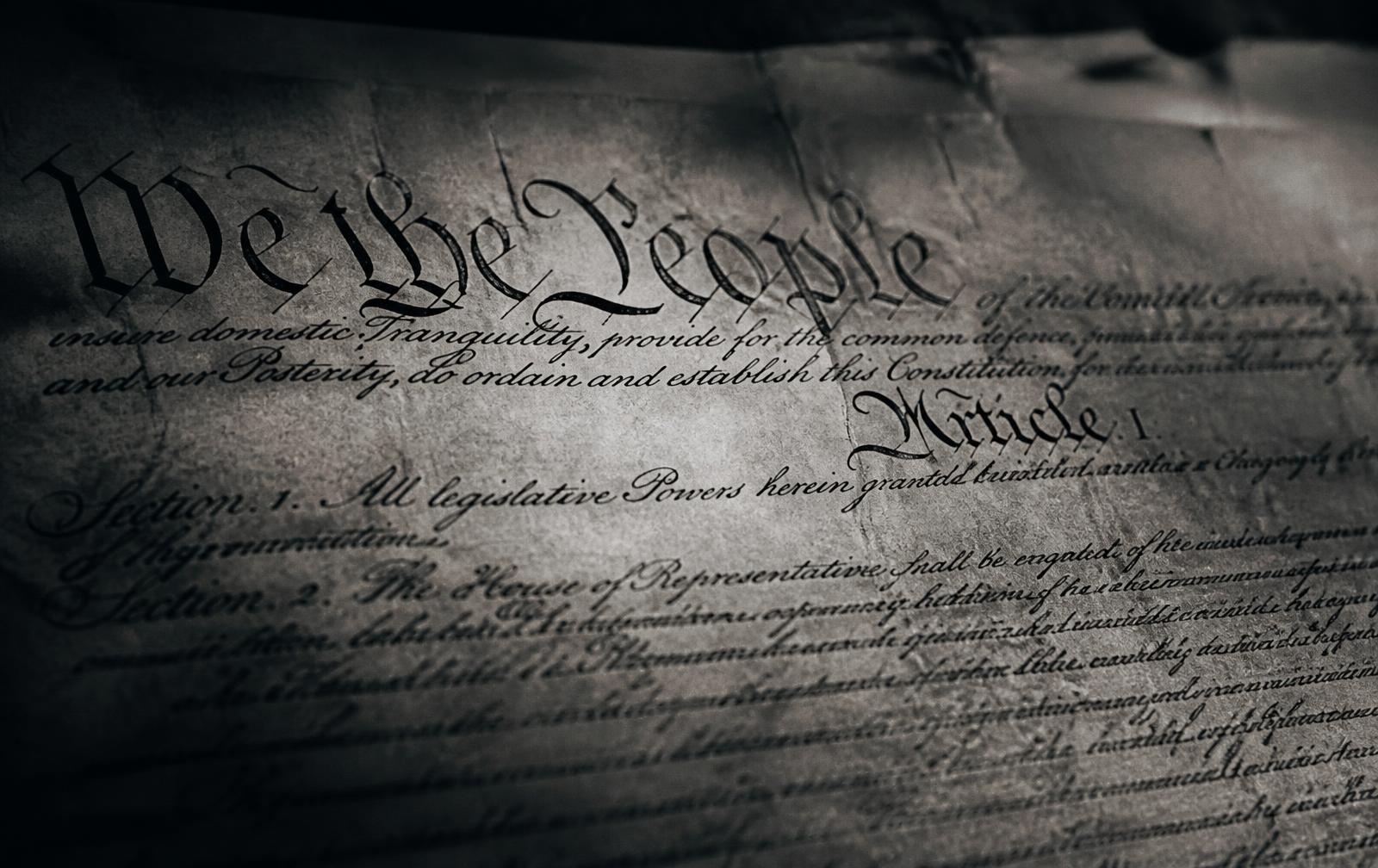
The Revocation of Election is an administrative act, not a court filing and not a protest. It is prepared in the individual's name, signed, notarized where required, and mailed certified with receipts retained. This section reproduces the structure of the affidavit, the statutory references it relies on, the correcting of prior information returns, and the timing that governs the process.
It also states clearly what the revocation does not do. It does not touch FICA. It does not resolve prior-year liabilities that already exist. It does not make a business entity disappear. Anyone who tells you otherwise is selling something we would not sell.
Section IV
The Record — eighteen years of practice
Since 2008: more than 36,000 Americans served. Zero liens. Zero levies. Zero prosecutions.
Theory is cheap. The final section is the practice record — volume by year, the categories of correspondence received, how each category was answered, and what happened next. Where the agency responded, we describe the response. Where a member's employer refused the paperwork, we describe the escalation and the outcome.
We publish this because it is the part a skeptic should weigh most heavily. Read it before you read anything we say about ourselves.